Quick Pelvic Floor Squeezes (Fast Kegels)
The pelvic floor needs two kinds of strength: holding power for long periods, and speed to snap shut when you cough, sneeze, laugh or jump. Quick squeezes train the speed. You tighten and lift fast, then let go straight away. They are usually learnt together with the slow pelvic floor squeeze, once you can feel the right muscles.
Written by Dr. V. B. Rajendra Prasad, MPT, licensed in the US and UK.
How to do it
- 1
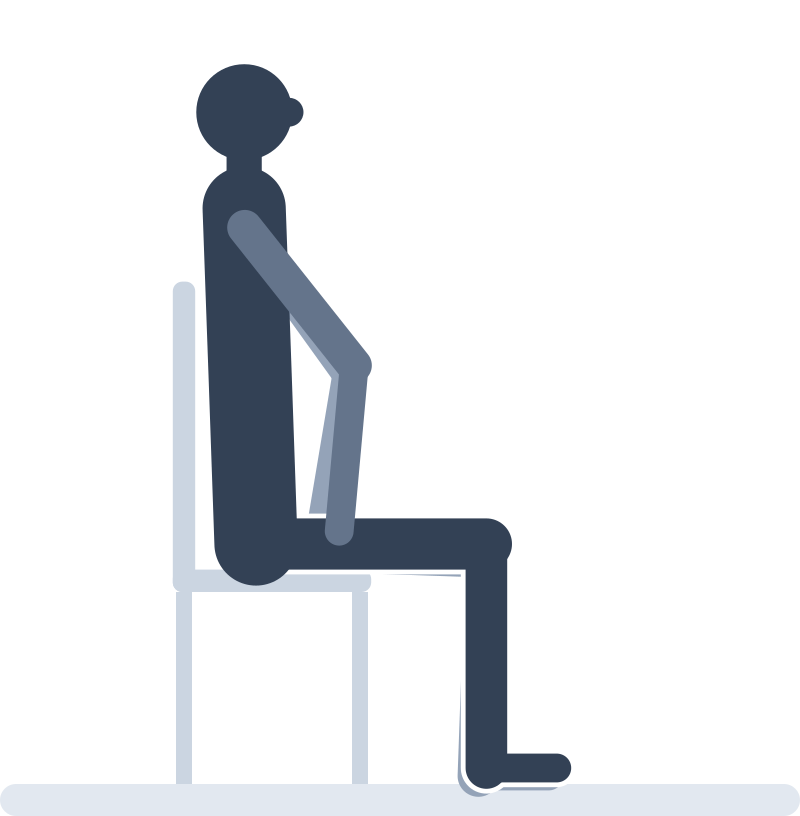
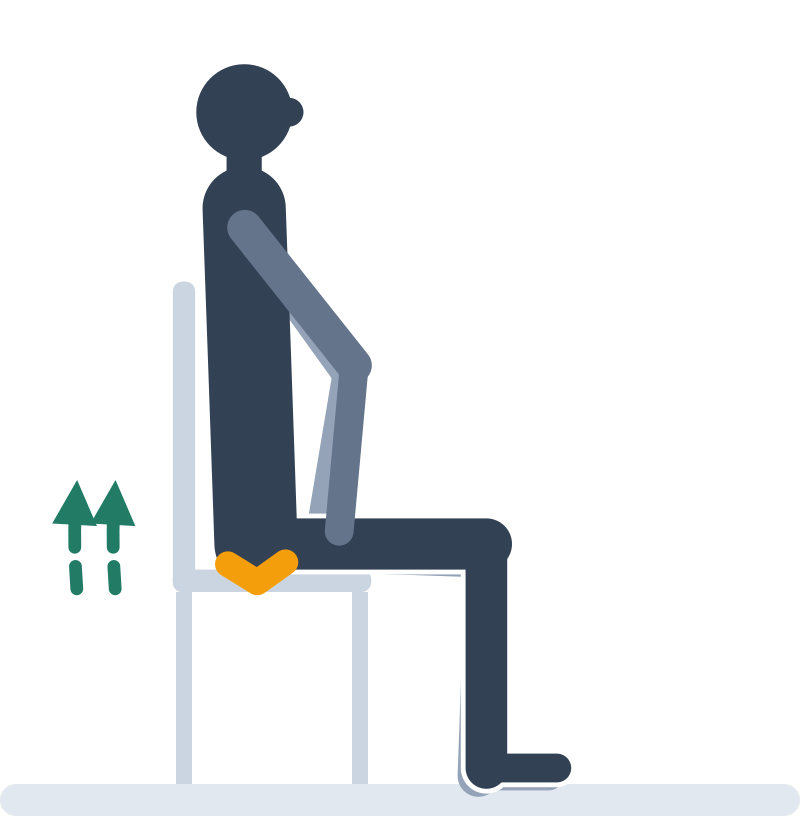
Sit upright on a firm chair with your feet flat and knees apart. Let your tummy, buttocks and thighs relax. You can also do this lying down at first.
- 2
Breathe normally. Find the muscles you would use to stop passing wind and to stop the flow of urine.
- 3
Squeeze and lift these muscles quickly and firmly, as if drawing them up and in.
- 4
Let go straight away, completely. Feel the muscles drop back to rest.
- 5
Pause for a second or two, then repeat. Each squeeze should be as strong as the first, with a full let-go in between.
How many
Up to 10 quick squeezes in a row, after your slow squeezes, 3 times a day. If they start to feel weak or sloppy, stop the set there. Start with 5 if 10 is too many.
Common mistakes
Not letting go fully between squeezes. A quick squeeze is only half the exercise; the full release matters as much.
Squeezing the buttocks or pulling the tummy in hard instead. Only the pelvic floor should move.
Holding your breath. Keep breathing throughout.
Going so fast that the squeezes become weak flutters. Each one should be a clear, firm lift.
Carrying on when the muscles are tired. Five good squeezes are better than ten poor ones.
Make it easier
Do them lying on your back with knees bent, or on your side, where the muscles are easier to feel. Do fewer, with a longer rest between each.
Make it harder
Do them standing. Then use the same quick squeeze at the moment you need it: just before a cough or sneeze ("the knack").
Who it helps
When to stop and check
If you cannot feel the muscles working at all, feel pain or heaviness, or have pelvic pain or pain during sex, get checked by a physiotherapist before doing more. Some people have pelvic floor muscles that are too tight, and they need to learn to relax them first. See a doctor for blood in the urine, burning, or being unable to pass urine.
Are you doing it right? Book a form check
One live 1-hour video session with a Nuprana physiotherapist. You can ask for a female physiotherapist, and we will match that request.
- Observe: they watch how you sit, stand and breathe while you squeeze, and ask what you feel, so they can tell whether the right muscles are working.
- Correct: they coach you to lift without holding your breath or bearing down, and without squeezing your tummy, buttocks or thighs instead.
- Teach: you finish knowing how long to hold, how many to do, and when to move on to the next exercise in the plan.
Nothing to undress. You stay fully clothed, and the camera only needs to see your posture and breathing.
₹649, from home, anywhere in India. If you are in pain or recovering from surgery, the physiotherapist will tell you what else would help.
Book a form checkFrequently asked questions
What is the difference between quick and slow Kegels?
How many quick squeezes should I do?
When will I notice a difference?
Related
More pelvic floor exercises

Written by Dr. V. B. Rajendra Prasad, MPT. Licensed to practice in the US (NY state) and UK (HCPC).
20 years of clinical experience. About Dr. Rajendra