Long Pelvic Floor Holds, Sitting and Standing
Once you can squeeze the pelvic floor lying down, the next step is to do the same slow squeeze in the positions you spend your day in: sitting and standing. Gravity makes the muscles work harder when you are upright, so these holds build the endurance that supports the bladder and pelvic organs through the day. They are a key part of strengthening for leaking urine and prolapse heaviness.
Written by Dr. V. B. Rajendra Prasad, MPT, licensed in the US and UK.
How to do it
- 1
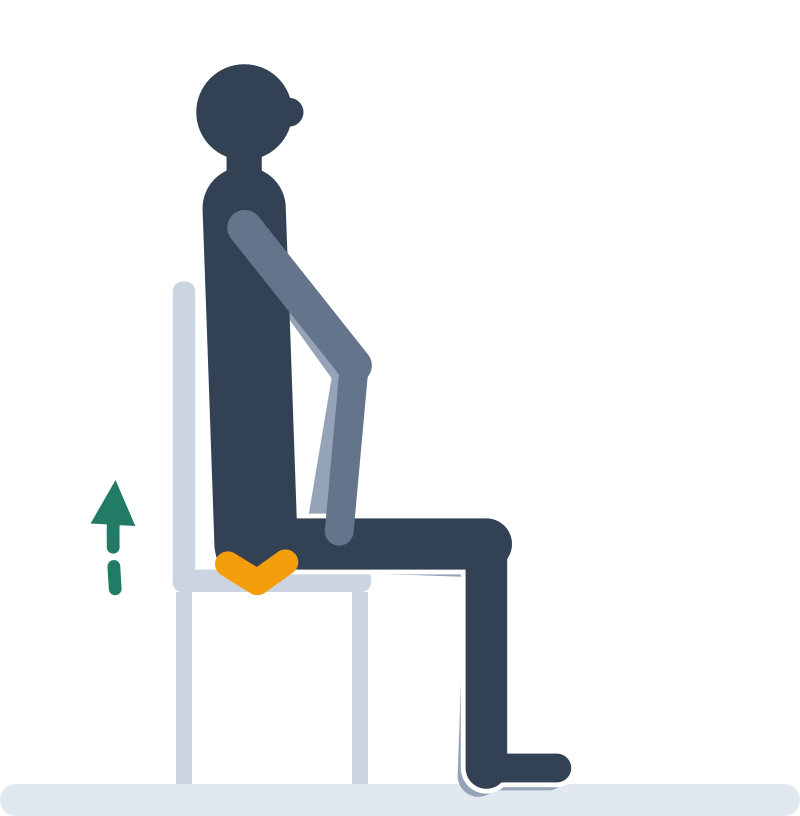
Sit upright on a firm chair, feet flat and knees slightly apart, sitting on your sitting bones rather than slumped back. Relax your tummy, buttocks and thighs.
- 2
Breathe in. As you breathe out, squeeze and lift the pelvic floor gently, up and in.
- 3
Hold the lift while you keep breathing normally. Count the seconds out loud if it helps you keep breathing.
- 4
Let go fully and rest for the same length of time as you held.
- 5
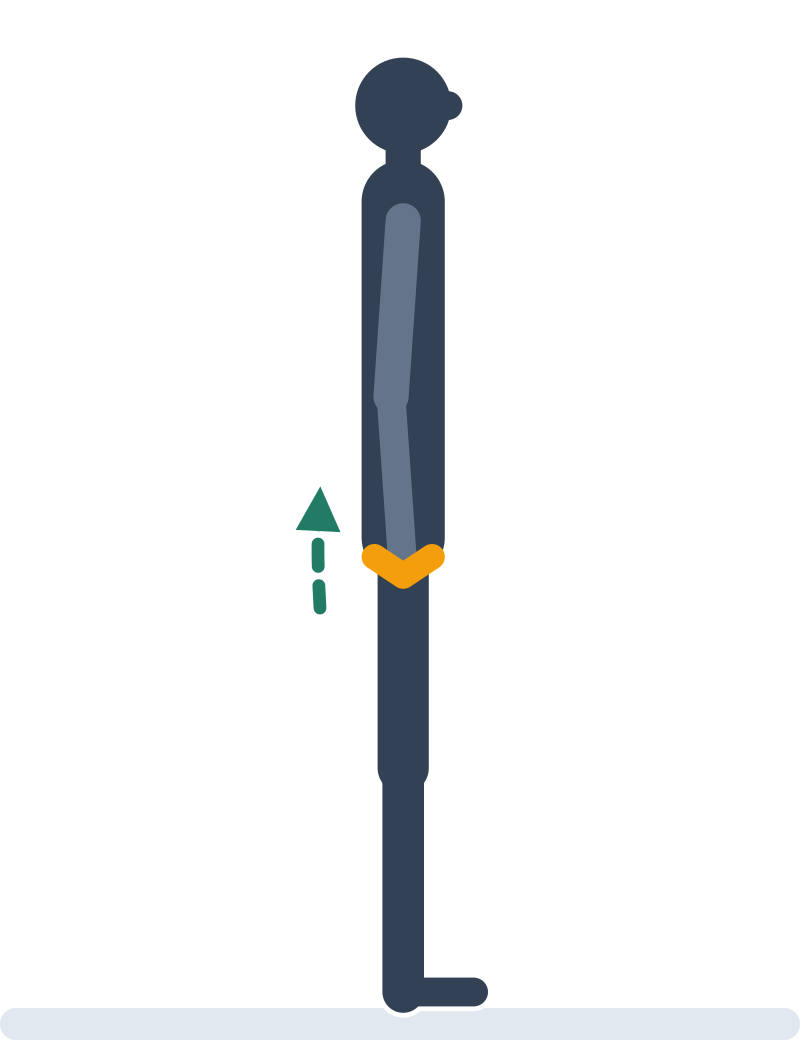
When sitting holds feel steady, do the same holds standing, with your feet hip-width apart, knees soft and weight even on both feet.
How many
Up to 10 holds, each up to 10 seconds, with an equal rest between, 3 times a day. Follow with up to 10 quick squeezes. Start with what you can hold well, even 3 to 5 seconds, and add a second every few days.
Common mistakes
Holding your breath during the hold. If you cannot talk or count out loud, the squeeze is too hard or the breath is held.
Letting the squeeze fade halfway through without noticing. Hold only as long as the lift stays strong, then rest.
Clenching the buttocks or pressing the thighs together to help. The pelvic floor should work alone.
Slumping. Sit or stand tall; the muscles work best with the pelvis upright.
Skipping the rest. Equal rest lets the muscles recover so the next hold is as good.
Make it easier
Go back to lying down with knees bent, or hold for fewer seconds. Sitting on a firm surface, such as a rolled towel along the line of the body, can help you feel the lift.
Make it harder
Do the holds standing, then during everyday moments: while brushing your teeth, waiting for the pressure cooker, standing in a queue or at traffic lights on a bus. Then add the squeeze to lifting and to coughing and sneezing.
Who it helps
When to stop and check
If holding brings on pain, or a feeling of heaviness or a bulge that gets worse, stop and get checked. If leaking is not improving after about 3 months of regular practice, see a physiotherapist to check your technique. See a doctor for blood in the urine, burning or a lump at the vaginal opening.
Are you doing it right? Book a form check
One live 1-hour video session with a Nuprana physiotherapist. You can ask for a female physiotherapist, and we will match that request.
- Observe: they watch how you sit, stand and breathe while you squeeze, and ask what you feel, so they can tell whether the right muscles are working.
- Correct: they coach you to lift without holding your breath or bearing down, and without squeezing your tummy, buttocks or thighs instead.
- Teach: you finish knowing how long to hold, how many to do, and when to move on to the next exercise in the plan.
Nothing to undress. You stay fully clothed, and the camera only needs to see your posture and breathing.
₹649, from home, anywhere in India. If you are in pain or recovering from surgery, the physiotherapist will tell you what else would help.
Book a form checkFrequently asked questions
Why do pelvic floor exercises standing up?
How long should I hold a Kegel?
Can I do these at work or while travelling?
Related
More pelvic floor exercises

Written by Dr. V. B. Rajendra Prasad, MPT. Licensed to practice in the US (NY state) and UK (HCPC).
20 years of clinical experience. About Dr. Rajendra