Carrying Bags or Bottles (Loaded Carry)
Walking while carrying a weight in each hand is one of the most useful strength exercises there is, because it is exactly what daily life asks for: shopping bags, water bottles, a bucket. It works the grip, shoulders, upper back, core and legs at the same time, and as a weight-bearing exercise it loads the bones. Posture is the whole point: tall, steady and even.
Written by Dr. V. B. Rajendra Prasad, MPT, licensed in the US and UK.
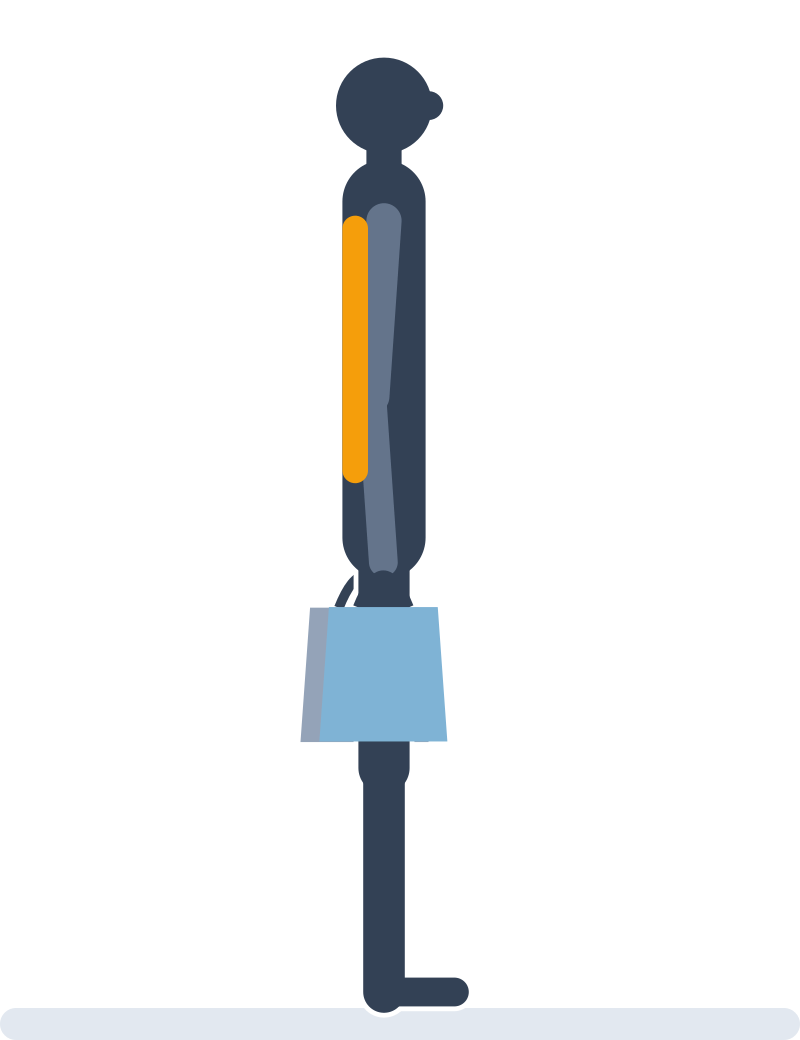
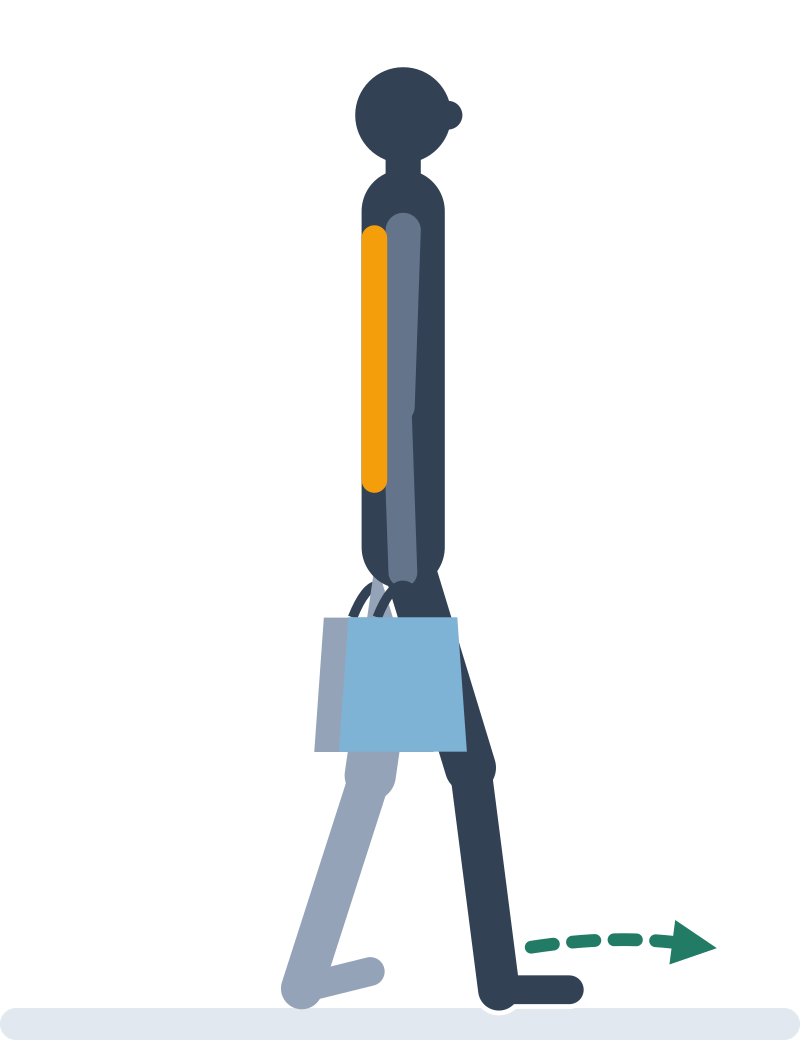
How to do it
- 1
Fill two bags equally: shopping bags, or water bottles in bags, about 1 to 2 kg in each hand to start. Place them on the floor or a chair beside you.
- 2
Bend your knees and keep your back long to pick them up. Breathe out and gently lift your pelvic floor as you stand.
- 3
Stand tall: head over shoulders, shoulders back and down, chest open, tummy lightly drawn in. Grip the handles firmly.
- 4
Walk 20 to 30 steps with steady, normal-length steps, breathing normally. Do not lean to either side or let the bags swing.
- 5
Turn carefully and walk back, then put the bags down with your knees bent. Rest, and repeat.
How many
3 or 4 walks of 30 to 60 seconds, 2 or 3 days a week. When the walk feels easy and you stay tall, add about half a kilo in each hand.
Common mistakes
Leaning to one side, or letting the shoulders hunch forward.
Picking the bags up with a rounded back and straight legs.
Holding your breath. Keep breathing as you walk.
Uneven loads, which pull you to one side. Keep both hands equal unless your physiotherapist sets a one-sided carry.
Rushing. Steady steps are better than fast ones.
Make it easier
Use lighter bags, walk a shorter distance, or carry a single bag held against your chest with both arms.
Make it harder
Carry a little more weight, walk further, or add a gentle slope or stairs with a rail. Later, carrying a bag in one hand only makes the trunk work harder to stay upright.
Who it helps
When to stop and check
With osteoporosis, keep loads moderate, pick them up with bent knees and a straight back, and do not twist while carrying. If carrying brings on back pain, heaviness or leaking from below, or pain in the hands or shoulders, use less weight and get checked. If you have high blood pressure or heart disease, keep breathing and ask your doctor about safe loads. After breast cancer surgery, ask your physiotherapist when to start carrying with the arm on that side.
Are you doing it right? Book a form check
One live 1-hour video session with a Nuprana physiotherapist, for this exercise and any others you have been given. You can ask for a female physiotherapist, and we will match that request.
- Observe: they watch you do each exercise, from the angles that matter.
- Correct: they fix your position, range and speed as you go, so the right muscles do the work.
- Teach: you finish knowing how many to do, how it should feel, and when to make it harder.
Nothing to undress. Wear comfortable clothes you can move in; the camera only needs to see how you move.
₹649, from home, anywhere in India. If you are in pain or recovering from surgery, the physiotherapist will tell you what else would help.
Book a form checkFrequently asked questions
Is carrying shopping really exercise?
How heavy should the bags be?
Is it safe with osteoporosis?
Related
More strength and bone health exercises

Written by Dr. V. B. Rajendra Prasad, MPT. Licensed to practice in the US (NY state) and UK (HCPC).
20 years of clinical experience. About Dr. Rajendra