Upper Trapezius Stretch
The upper trapezius runs from the back of the head to the top of the shoulder. It tightens with long hours at a laptop, looking down at a phone, carrying a heavy bag on one shoulder, and stress, and it is a common place to feel neck and shoulder tension. This side bend stretch eases it while you sit in an ordinary chair.
Written by Dr. V. B. Rajendra Prasad, MPT, licensed in the US and UK.
How to do it
- 1
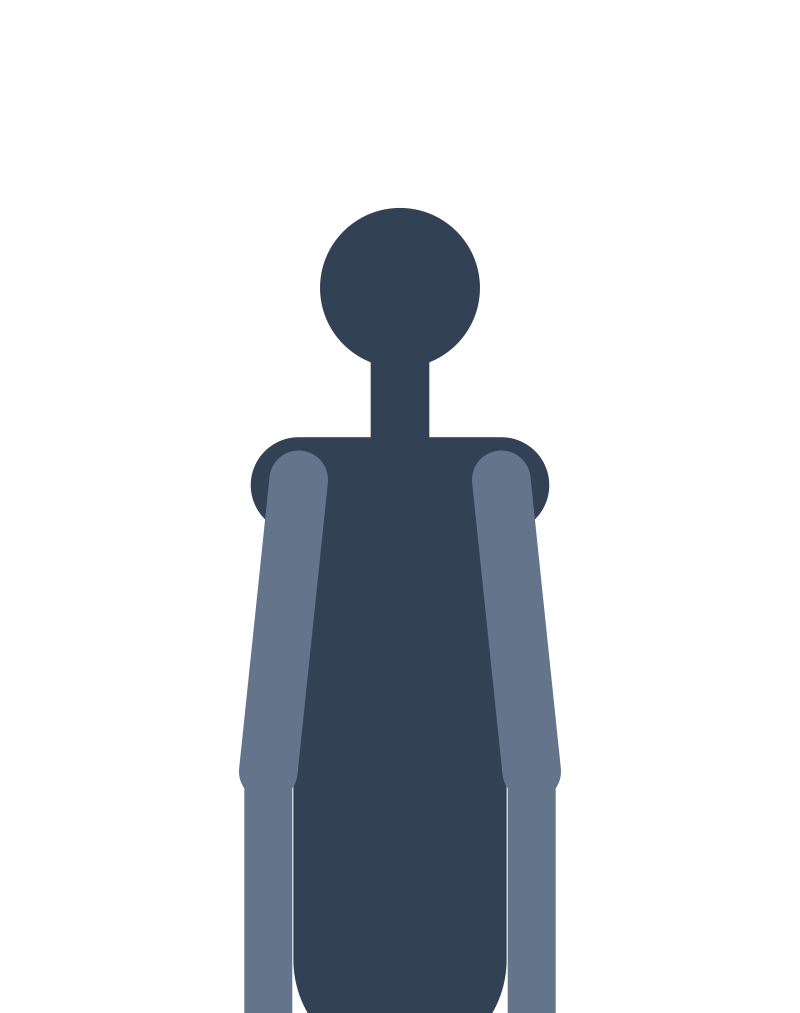
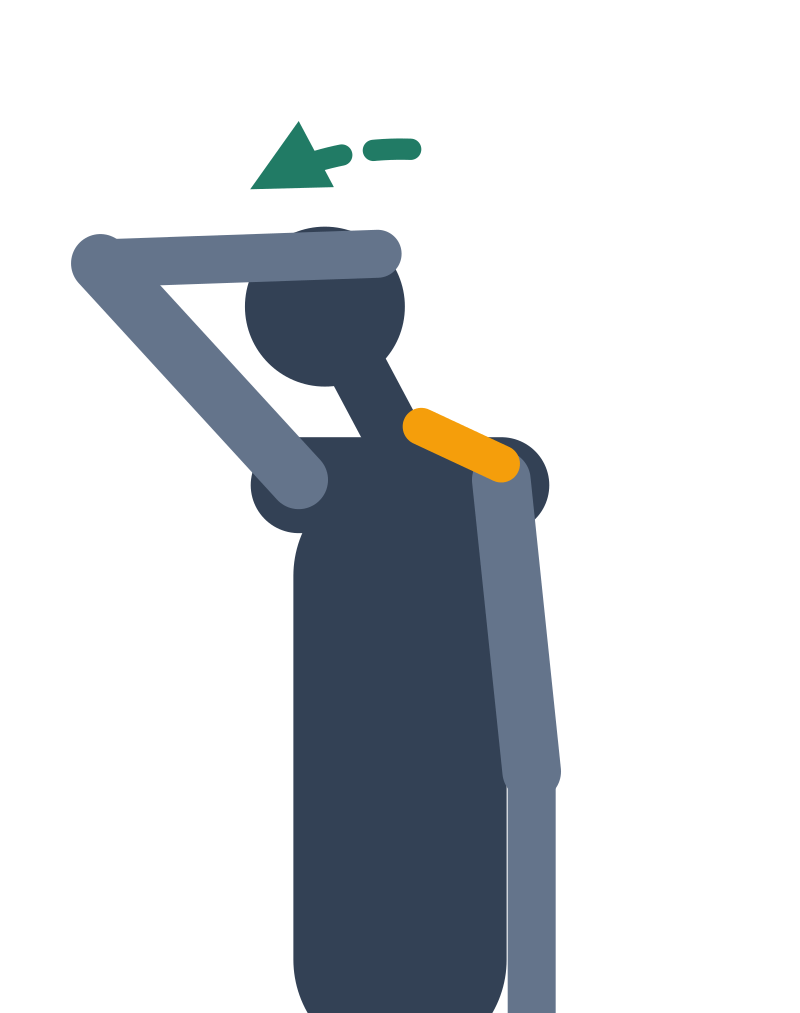
Sit tall in a chair with your shoulders relaxed. Hold the side of the seat with one hand, which keeps that shoulder down.
- 2
Slowly tip your head away from that hand, bringing your ear towards the other shoulder. Keep looking straight ahead.
- 3
Rest your free hand lightly on top of your head. Let its weight add a little to the stretch, without pulling.
- 4
Hold for 20 to 30 seconds. You should feel the stretch along the side of the neck and top of the shoulder on the side holding the seat.
- 5
Bring your head back to the middle slowly, then repeat on the other side.
How many
3 holds of 20 to 30 seconds on each side, 2 to 3 times a day. A good habit at the end of a long stretch of desk work.
Common mistakes
Pulling the head with the hand. The hand only rests there.
Lifting the shoulder towards the ear. Holding the seat keeps it down.
Turning or tipping the chin forward. Look straight ahead.
Bouncing. Hold the stretch steadily.
Make it easier
Leave the hand off your head and simply tip the head, or tip it only part of the way.
Make it harder
Gently turn your nose a little down towards the armpit on the side you are tipping towards. This stretches a deeper neck muscle as well.
Who it helps
When to stop and check
Stop if the stretch causes pain, pins and needles or numbness down the arm, dizziness or headache. Severe neck pain after a fall or accident, or neck pain with dizziness, trouble speaking or swallowing, or weakness in the arms, needs a doctor first.
Are you doing it right? Book a form check
One live 1-hour video session with a Nuprana physiotherapist, for this exercise and any others you have been given.
- Observe: they watch you do each exercise, from the angles that matter.
- Correct: they fix your position, range and speed as you go, so the right muscles do the work.
- Teach: you finish knowing how many to do, how it should feel, and when to make it harder.
₹649, from home, anywhere in India. If you are in pain or recovering from surgery, the physiotherapist will tell you what else would help.
Book a form checkFrequently asked questions
How long should I hold an upper trapezius stretch?
Is it normal for one side to feel tighter?
Related
More neck and shoulder exercises
Written by Dr. V. B. Rajendra Prasad, MPT. Licensed to practice in the US (NY state) and UK (HCPC).
20 years of clinical experience. About Dr. Rajendra